
Local
Coastal GasLink Phase 2 brings 2,100 construction jobs and a bigger Peace tax base, TC Energy tells regional board
Each of the five new compressor stations should need six to 10 full-time workers once running, the company's community relations lead told directors.
By The NEBC Current newsroom
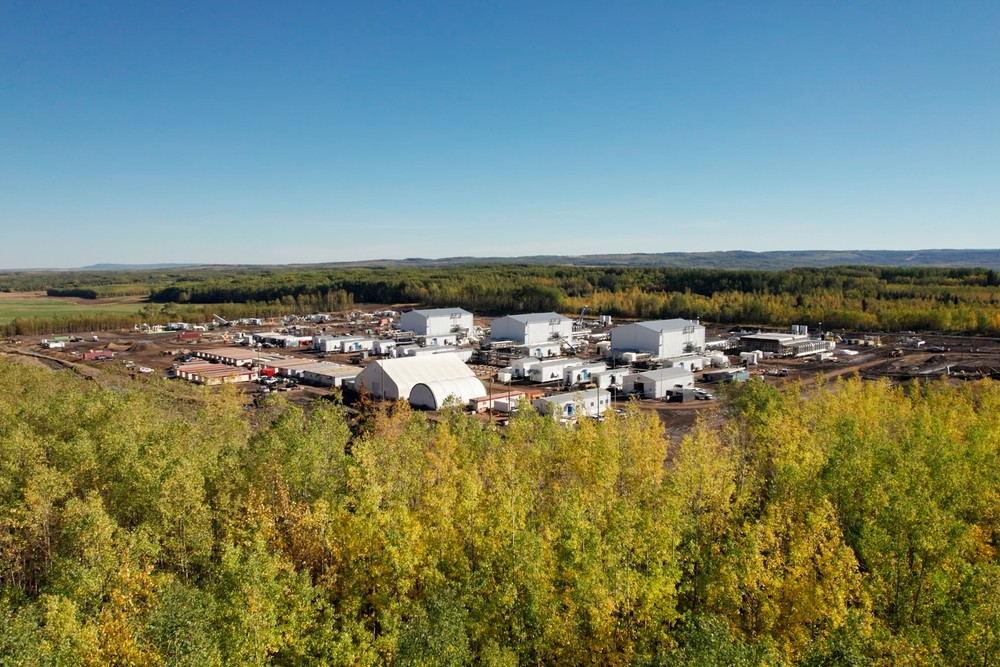
DAWSON CREEK, B.C. - Building the second phase of Coastal GasLink will put up to 2,100 people to work on five new compressor stations, and each station should keep six to 10 people employed full-time once it runs, TC Energy told Peace River Regional District directors on Thursday.
Heather Desarmia, the company's community relations lead for the project, briefed the board on Nov. 12 at its first regular meeting of the new term. Her remarks were reported by Energeticcity.ca.
Phase 2 lays no new pipe. It adds compression to the existing 670-kilometre line, which starts near Groundbirch, between Dawson Creek and Chetwynd, and runs to the LNG Canada terminal at Kitimat. TC Energy says the line carries about 2.1 billion cubic feet of gas a day today. Asked by Area D director Leonard Hiebert how high that could go, Desarmia said the expansion would bring it to roughly 4.9 billion once fully running.
The new stations are planned at Sukunka Falls south of Chetwynd, Racoon Lake, Clear Creek, Segundo Lake and Parrott Lakes, according to the project's fact sheet. Coastal GasLink said in late October that early work such as site preparation, road access and work camps could start as soon as Monday, Feb. 1, 2027, beginning at Clear Creek, Parrott Lakes and Racoon Lake. Desarmia told directors the sites would be built in stages rather than all at once, though all five are expected to be under construction together at some point. Where it could, the company picked ground already disturbed in the first phase, such as old laydown and storage yards, she said.
The question of lasting jobs came from Chetwynd Mayor Allen Courtoreille. Desarmia said she did not have final numbers but used the company's Wilde Lake compressor station as a yardstick, estimating six to 10 full-time positions at each new site depending on its size and location.
The line already pays into local coffers. Desarmia said Coastal GasLink generates about $25 million a year in property tax in B.C., roughly $5 million of it in the regional district, and that TC Energy's NOVA Gas Transmission assets in the region bring in about $11 million more. She said Phase 2 would add to those amounts.
Before construction begins, TC Energy plans information sessions to link local job seekers, contractors and business owners with the prime contractors, she said. As in the first phase, crews will stay in temporary camps close enough to walk to the work.
The expansion got its go-ahead on Tuesday, Sept. 29, when LNG Canada's owners approved doubling the Kitimat plant and TC Energy confirmed the pipeline work would proceed. The company says the first phase of Coastal GasLink awarded more than $1.8 billion in contracts to Indigenous and local businesses. It expects Phase 2 to be in service in the early 2030s.
For Peace producers, more room on the line means more Montney gas can reach the coast.
Sources: Energeticcity.ca, "Coastal GasLink Phase 2 construction expected to start in 2027" (Nov. 13, 2026). Peace River Regional District, Regional Board agenda, Nov. 12, 2026, delegation 6.1. TC Energy news release (Sept. 29, 2026). Coastal GasLink, Phase 2 fact sheet and construction notice (Oct. 28, 2026). Comox Valley Record (Sept. 29, 2026)..
You may like
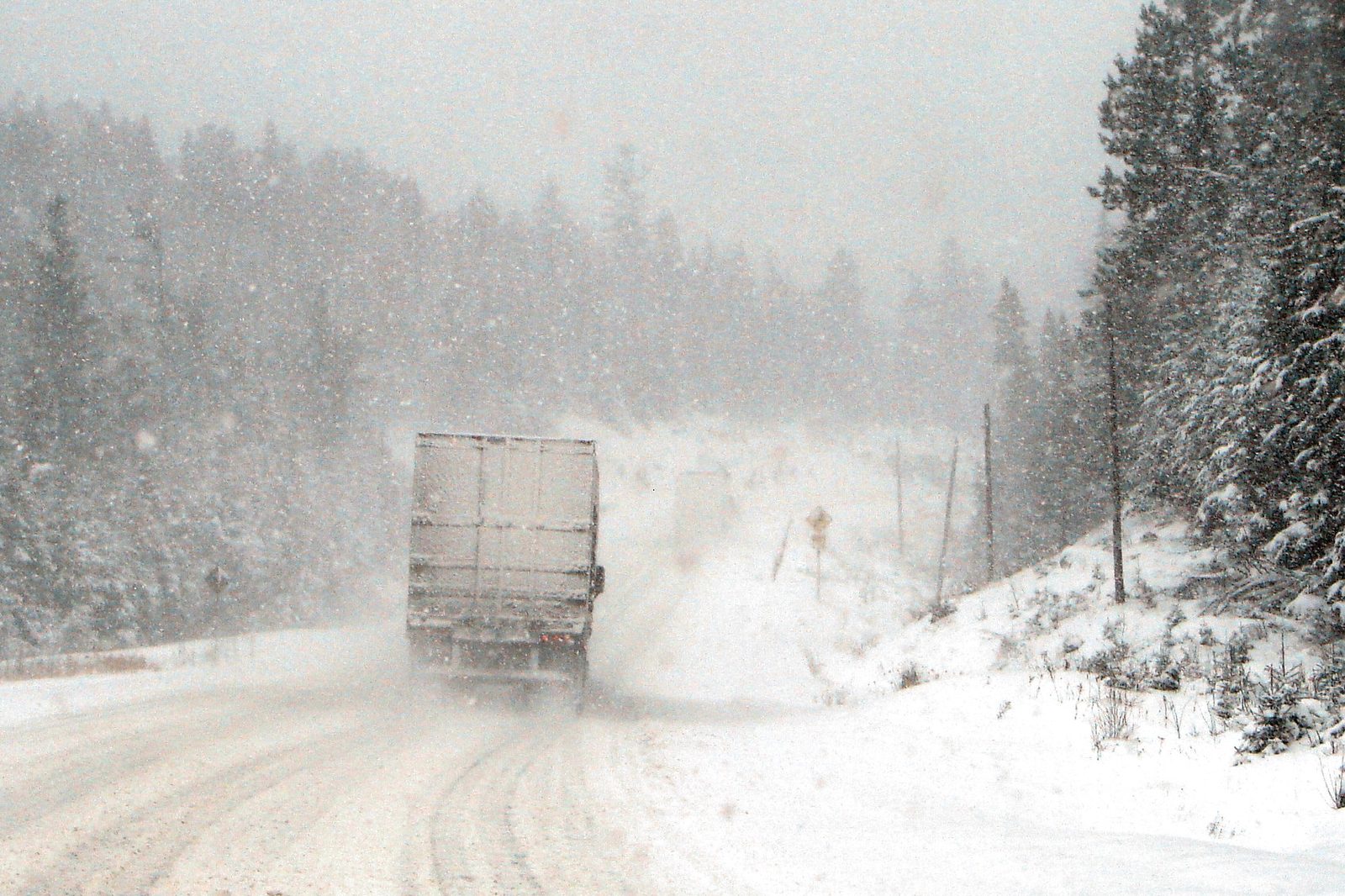 December is one of the most dangerous months on B.C. roads, and safety groups are urging drivers to slow down and plan ahead
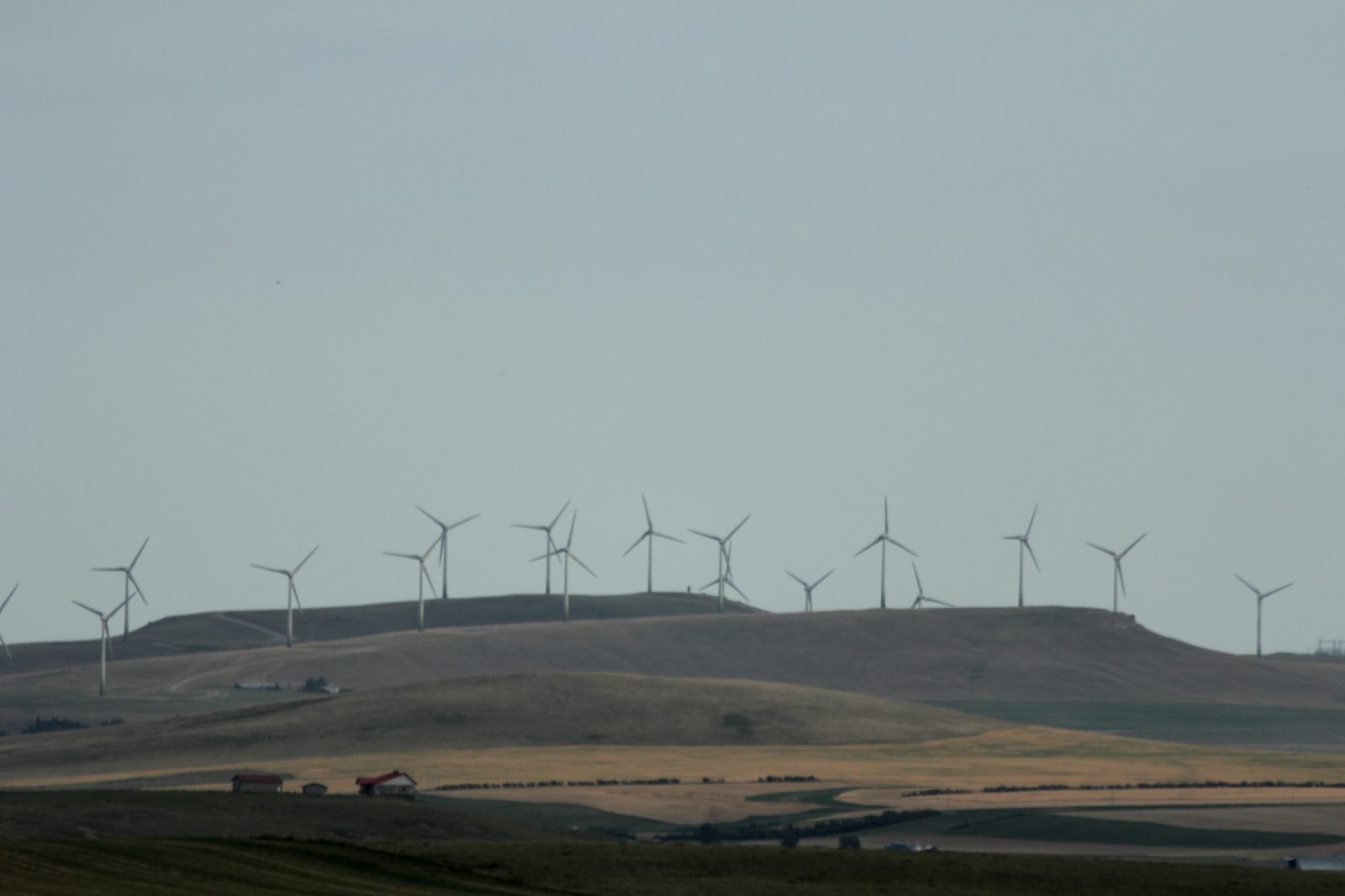 Company behind a 30-turbine wind farm south of Fort St. John asks the regional district to rezone farmland, and directors push back
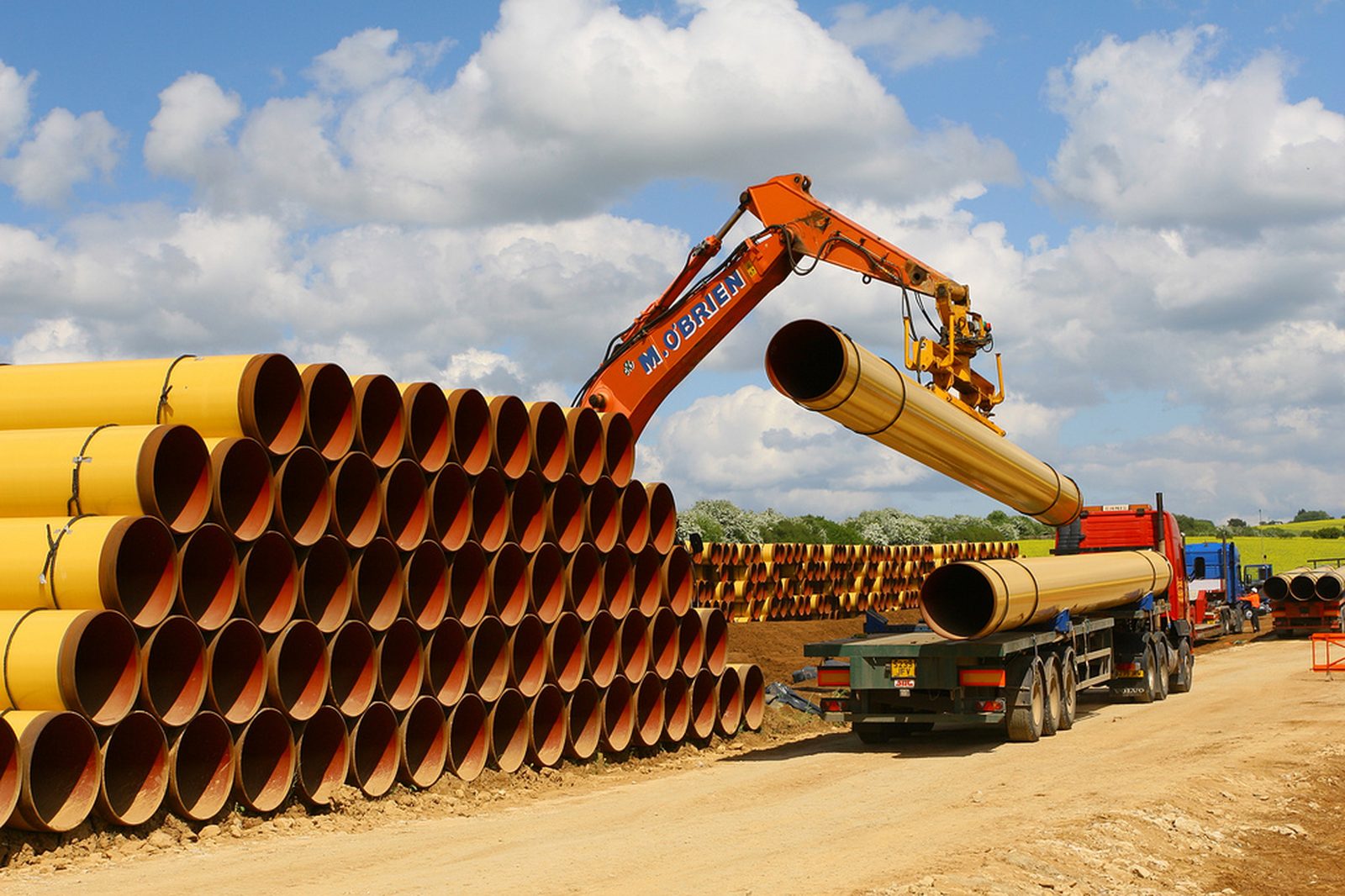 Twelve more First Nations buy into Coastal GasLink, the pipeline that starts near Dawson Creek
 School District 60 cancels buses as freezing rain glazes Peace roads, but schools stay open