
Local
Ottawa doubles low-wage foreign worker permits to two years, and B.C.'s incoming government will decide on wider changes
Peace employers who rely on the Temporary Foreign Worker Program get longer approvals now. Bigger changes on March 1 depend on whether provinces opt in.
By The NEBC Current newsroom
FORT ST. JOHN, B.C. - Peace Region businesses that hire temporary foreign workers for low-wage jobs can now get federal approval for two years at a time instead of one.
Employment and Social Development Canada said the change took effect Friday, Nov. 6. It applies to Labour Market Impact Assessment applications in the low-wage stream submitted on or after that date. The assessment is the federal document most employers need before they can hire a temporary foreign worker. Applications filed before Nov. 6 keep the old one-year maximum.
Jobs and Families Minister Patty Hajdu announced the change in Gatineau, Que. Ottawa also added early childhood educators to the short list of jobs exempt from a pause on low-wage applications in census metropolitan areas where unemployment is six per cent or higher. Health care, construction and food processing were already on that list.
That pause covers big cities. Fort St. John and Dawson Creek are census agglomerations under Statistics Canada's definitions, not census metropolitan areas, so the six per cent rule has not been the main hurdle for employers here. The longer approval is the part most likely to matter, because it means half as much paperwork for a restaurant, hotel, farm or service business that keeps the same worker for two years.
The federal release also says Budget 2026 puts $151.5 million over five years into service delivery for the program.
A second round of changes is proposed for March 1, 2027, but only in provinces and territories that opt in. Under that plan, employers in large cities with unemployment under six per cent, and in smaller metropolitan areas of 100,000 to 250,000 people, would get targeted access for listed occupations. Provinces could add or remove jobs from those lists. Ottawa's release says, "In rural communities, employers will continue to have full access to all occupations in the Low-Wage Stream of the Program." It does not define which places count as rural.
Provinces could also ask Ottawa to let eligible employers in communities they pick fill up to 15 per cent of their workforce through the low-wage stream, up from the current 10 per cent. Priority sectors stay at 20 per cent.
Hajdu said she will meet her provincial and territorial counterparts in the coming weeks. For British Columbia, that decision lands on a new government. Premier-designate Lorne Doerkson and the B.C. Conservatives are set to be sworn in Thursday, Nov. 19, with a cabinet named Friday, Nov. 20.
The NEBC Current found no public position yet from the incoming government on opting in.
Sources: Employment and Social Development Canada, "Government of Canada announces targeted reforms to the Temporary Foreign Worker Program to respond to labour market needs" (Nov. 6, 2026). The Canadian Press via EverythingGP and paNOW, "Ottawa easing some temporary foreign worker rules, focus on early childhood educators" (Nov. 9, 2026). Law360 Canada (Nov. 6, 2026). TDot News. Canada News Media. Statistics Canada, 2021 Census Focus on Geography pages for the Fort St. John and Dawson Creek census agglomerations. CBC News, Prince George Citizen and Connect FM for the swearing-in and cabinet dates..
You may like
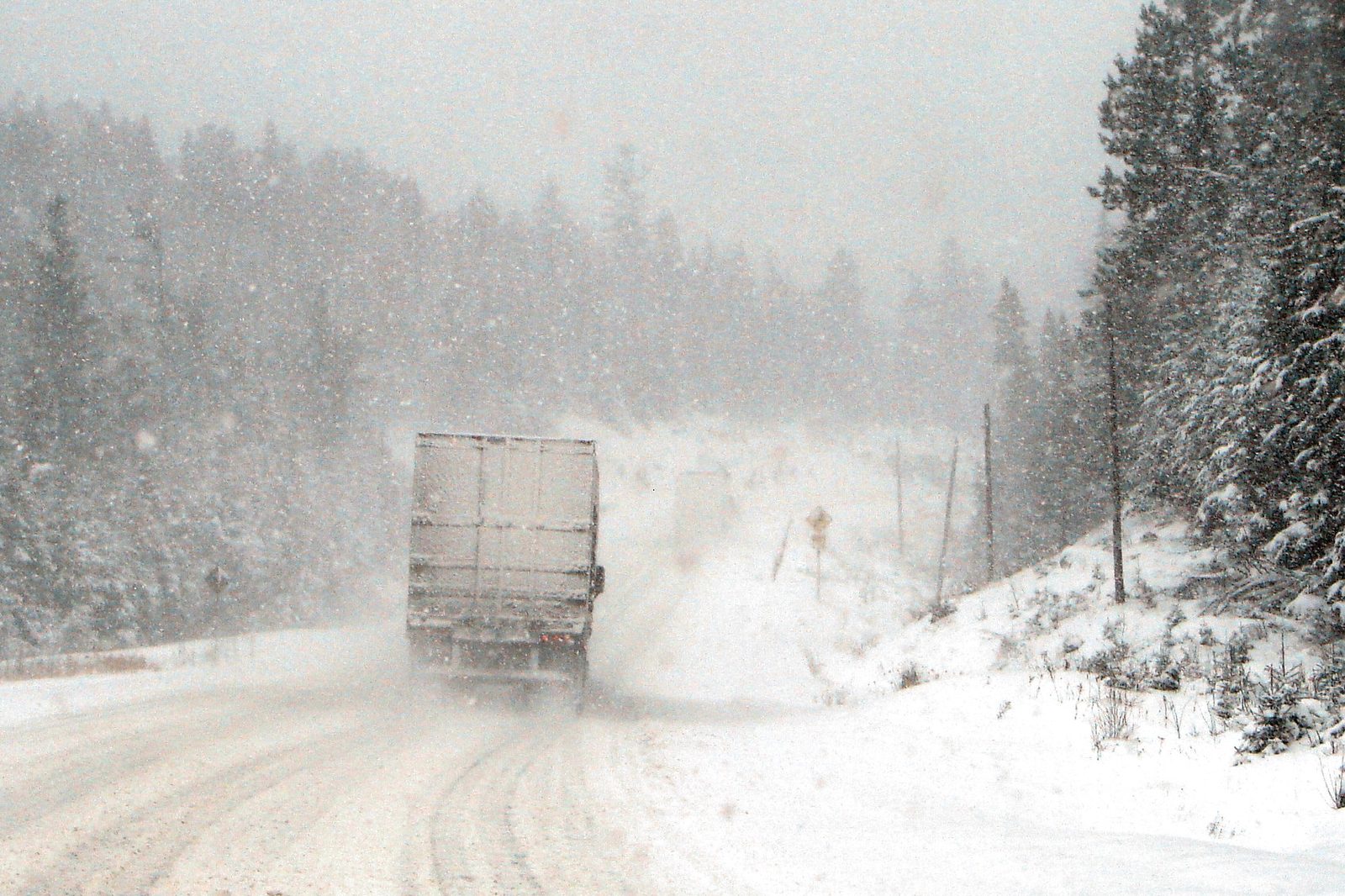 December is one of the most dangerous months on B.C. roads, and safety groups are urging drivers to slow down and plan ahead
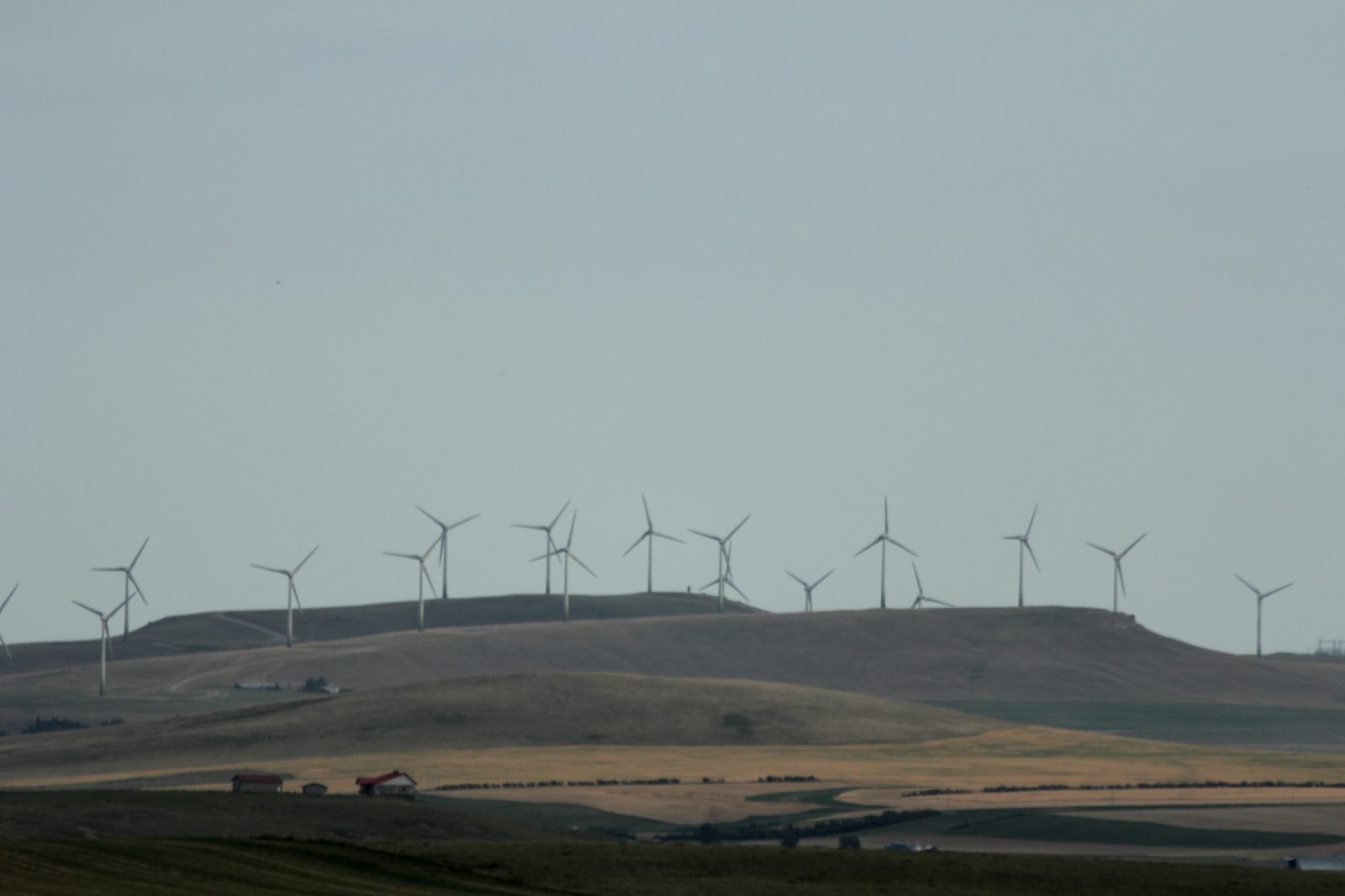 Company behind a 30-turbine wind farm south of Fort St. John asks the regional district to rezone farmland, and directors push back
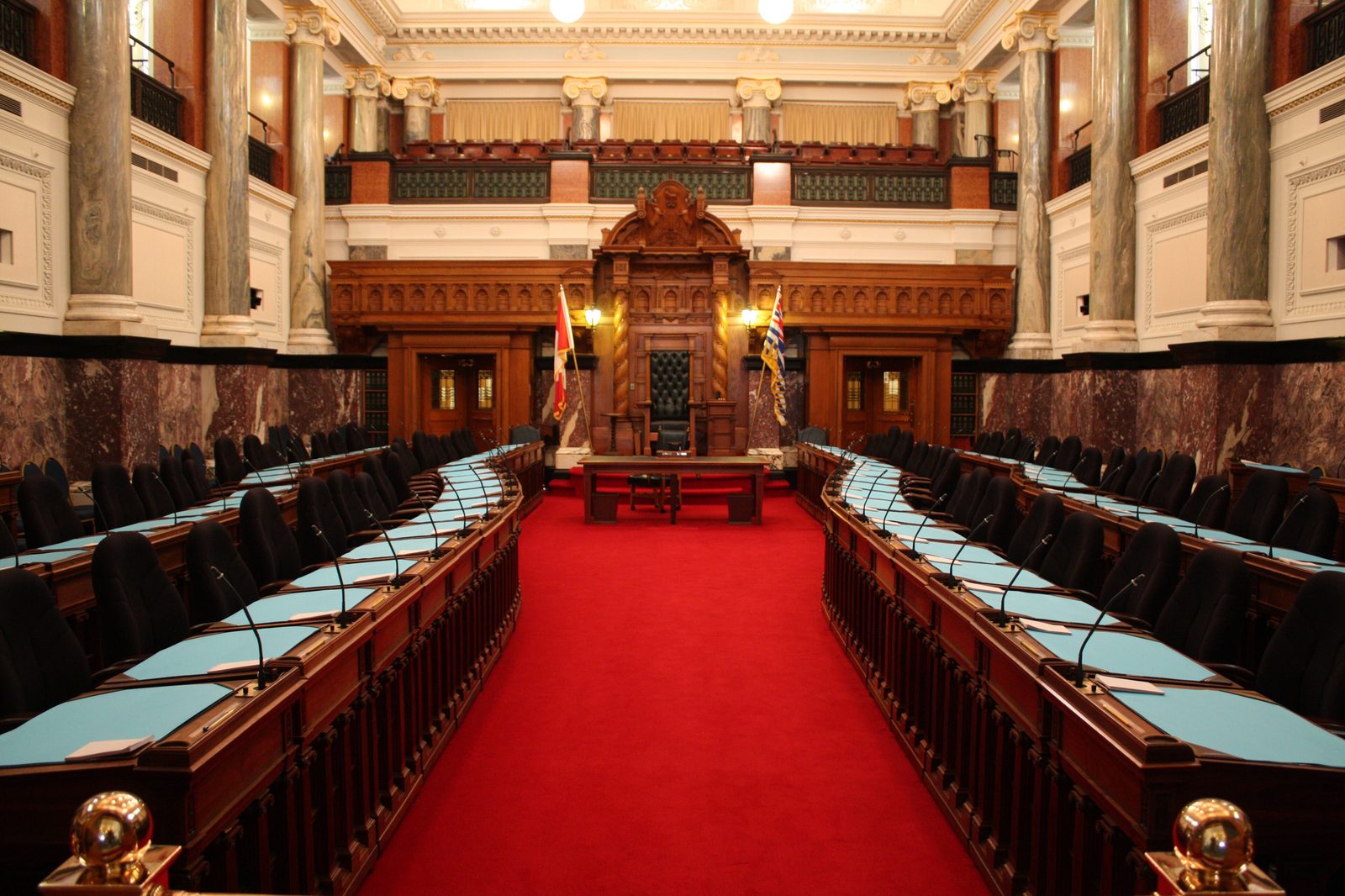 Former premier David Eby skips the NDP swearing-in as his shrunken caucus takes its seats in Opposition
 Twelve more First Nations buy into Coastal GasLink, the pipeline that starts near Dawson Creek
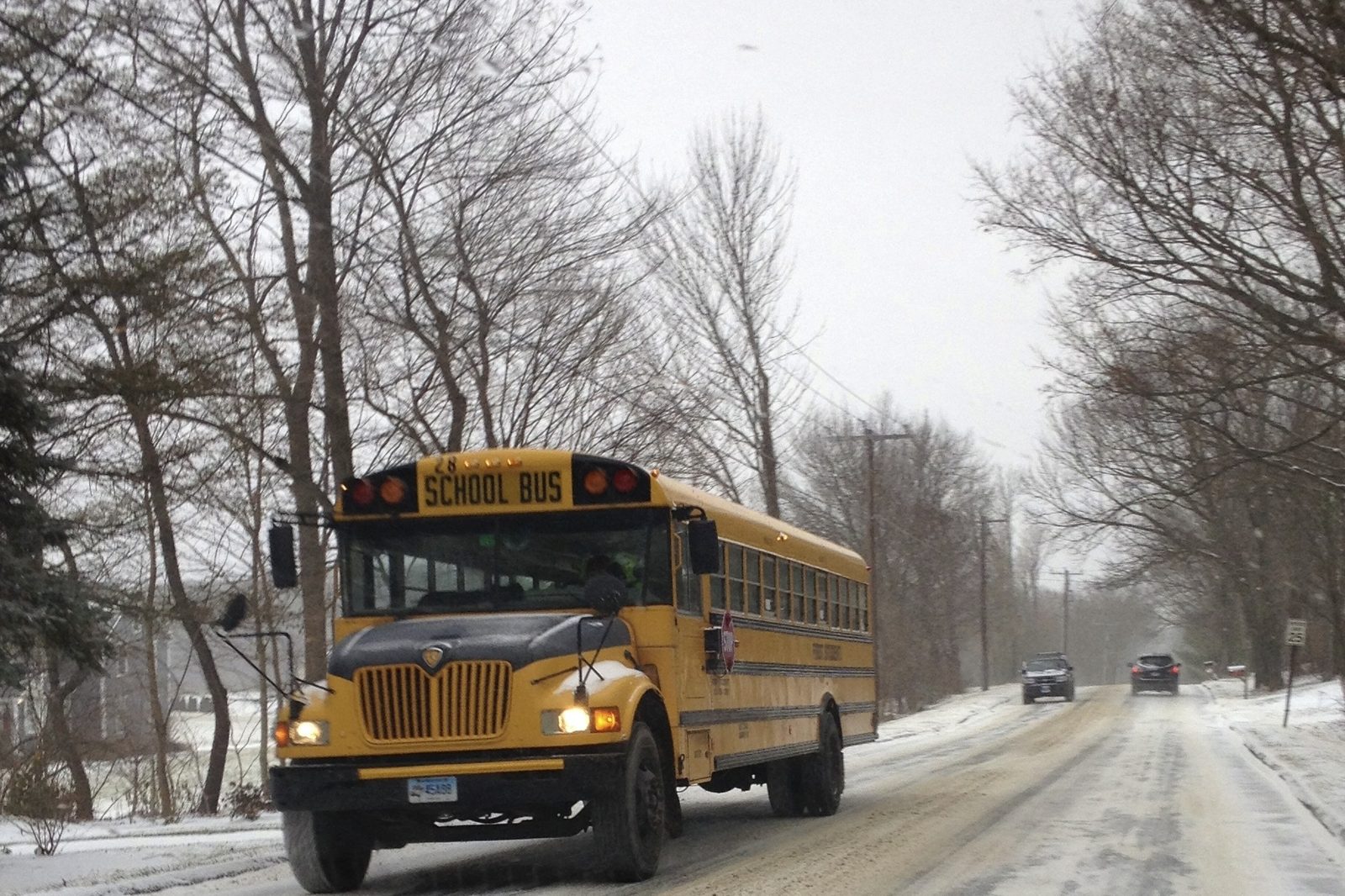 School District 60 cancels buses as freezing rain glazes Peace roads, but schools stay open