
Local
PRRD raises rural garbage bag fee to $1 as after-hours bins head back to the board
Area E Director Dan Rose pushed back on the 20-cent increase, saying rural users already overload the night drop to avoid day fees.
By The NEBC Current newsroom
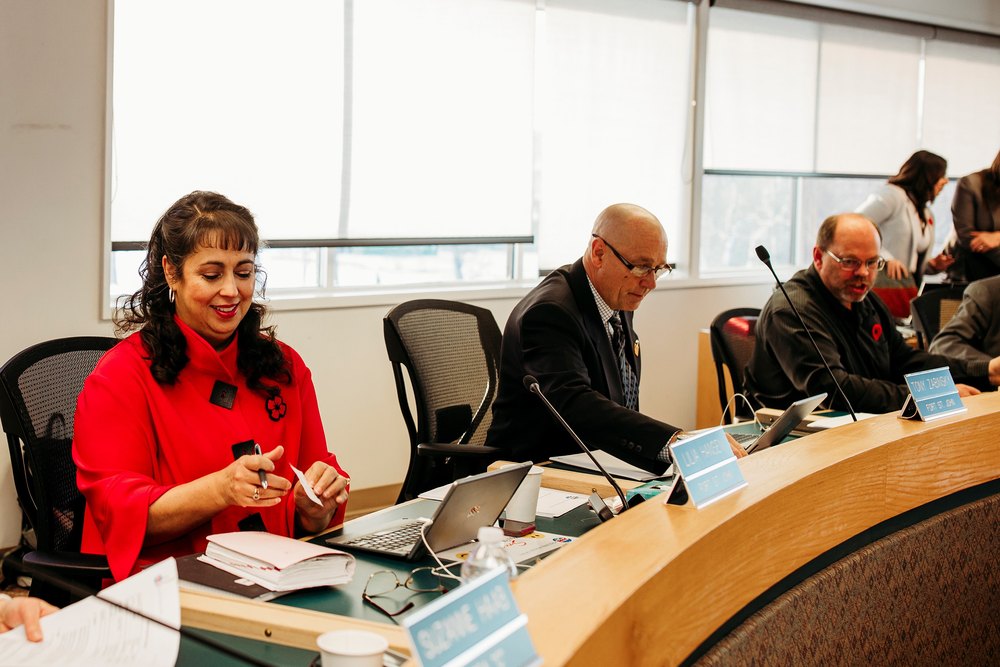
DAWSON CREEK, B.C. - Rural Peace residents will pay $1 a bag to drop household garbage at Peace River Regional District transfer stations, up from 80 cents, after the regional board adopted a rewrite of its solid waste fees bylaw on Oct. 29.
The change came in Solid Waste Regulation and Fees Amendment Bylaw No. 2631, 2026, which staff first brought to the district's Solid Waste Committee on Oct. 15. Energeticcity.ca reported Saturday that the board gave the bylaw three readings and adopted it at the same meeting.
The 80-cent rate is still the posted residential price on the PRRD's tipping fees page. Commercial customers paid $1 a bag under the old schedule, according to the same page and the bylaw, so residents now pay what businesses did. Reports on the amendment did not say whether the commercial bag rate also changed.
The bigger rewrite is how small transfer stations without scales charge everyone else. The old schedule priced loads by the cubic metre, with separate rates for cars, SUVs, short-box and long-box pickups and trailers. The staff report replaces that with eight flat-rate load classes based on maximum load capacity, from small passenger vehicles up to large commercial units and container combinations. Staff said the goal is a more consistent and practical way for attendants to set the fee at the gate.
Corrugated cardboard also moves from restricted waste to divertible waste, with the existing tipping fees kept. The definition of impacted soils now includes land previously used for industrial purposes that may have left contamination, and the bylaw adds definitions for compacted household waste and tires on rims.
The switch has a cost of its own. Energeticcity reported the staff report said the district must buy 14 new signs at about $8,000 for transfer stations that do not use a scale, not counting staff time to put them up.
Electoral Area E Director Dan Rose said he backed most of the changes but not the higher bag charge.
"We're already running into problems with some of our 24-hour sites where folks are not using them during the day anymore and overloading the night drop because there's a fee attached to the day drop," Rose said, as quoted by Energeticcity.
Those night drops are already on the board's next agenda. The PRRD runs after-hours household bag service at four transfer stations. Moberly Lake and Prespatou started as a 2021 pilot and went full time in 2022, and Rolla and Cecil Lake were added in December 2023, according to the district's 2027 Solid Waste Department Plan. The board meets Thursday, Nov. 12, in Dawson Creek, and the posted agenda includes a staff report titled "Solid Waste 24-Hour Bin Program - Options."
Attached to that report is a Sept. 16 letter from Michelle Harrison, a lead hand with Secure, the contractor whose attendants work the sites. Harrison wrote that attendants routinely find torn and leaking bags, used needles, oily rags, automotive fluids, compressed gas containers and animal carcasses in the after-hours carts. Her letter said only two of 14 PRRD transfer stations have running water and none of the four after-hours sites do, which leaves attendants little way to clean contaminated carts. The district's own department plan lists 16 attended transfer stations, and the letter does not say which 14 it counted.
Harrison also raised the district's plan to swap Prespatou's 30-yard bear bin for the same cart system in 2027, a change the Solid Waste Committee recommended in July. She said that would turn a mostly mechanical job into one that relies on attendants lifting bags by hand, and she suggested a dumpster system serviced by a truck instead. Many attendants are older workers at sites that operate only 30 hours a week, she wrote, and the contractor already struggles to fill vacancies.
Solid waste is the PRRD's biggest single service. The department plan puts average spending at about $14 million a year, paid by residents across the region. The Nov. 12 agenda also carries a separate staff report on discontinuing the Solid Waste Committee itself.
We're still keeping an eye out for more on this story and will update it if anything changes.
Sources: Energeticcity.ca (Ruth Prarthana Stephen Albert, Nov. 7, 2026), PRRD Solid Waste Committee agenda package for Oct. 15, 2026 (staff report ENV-SWC-219, July 9, 2026 committee minutes, Secure letter dated Sept. 16, 2026, and 2027 Solid Waste Department Plan), PRRD Regional Board agenda for Nov. 12, 2026 (pub-prrd.escribemeetings.com), PRRD Tipping Fees and Coupons page and Solid Waste Regulation and Fees Bylaw No. 2525, 2023 (prrd.bc.ca)..
You may like
 December is one of the most dangerous months on B.C. roads, and safety groups are urging drivers to slow down and plan ahead
 Company behind a 30-turbine wind farm south of Fort St. John asks the regional district to rezone farmland, and directors push back
 Twelve more First Nations buy into Coastal GasLink, the pipeline that starts near Dawson Creek
 School District 60 cancels buses as freezing rain glazes Peace roads, but schools stay open