
Local
Fort St. John vets pass along screwworm warning as Canada bars livestock from three U.S. states
The parasite is not in Canada, but ranchers and horse owners heading south for the winter face new rules on bringing animals home.
By The NEBC Current newsroom
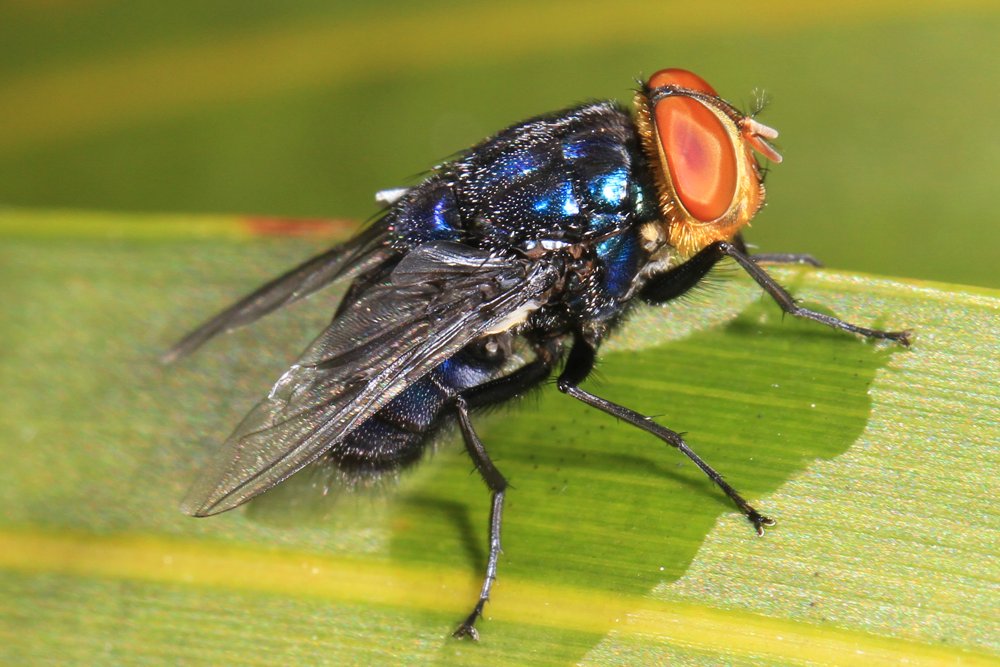
FORT ST. JOHN, B.C. - A Fort St. John animal clinic is urging Peace region livestock and pet owners to watch for New World screwworm after the parasite turned up in a third U.S. state and Canada barred cattle, horses and other livestock from all three.
North Peace Veterinary Clinic shared a Canadian Food Inspection Agency notice on its Facebook page on Wednesday, Nov. 4, Energeticcity.ca reported. The notice covered outbreaks in Texas, New Mexico and Arizona.
Screwworm is not present in Canada, according to the CFIA. The flies prefer hot, humid weather between 25 and 30 degrees Celsius, and the agency says Canada's climate is generally not suitable for them to take hold, particularly in winter. They can survive for a time at temperatures as low as 8 degrees, the CFIA says.
The danger is in what the larvae do. Female flies lay eggs in open wounds, body openings or the navel of a newborn animal, and the maggots then feed on living flesh. Left untreated, an infestation can cause serious wounds, infection and death. It can strike cattle, horses, sheep, goats, pigs, dogs, cats and wildlife, and in rare cases people. The CFIA says it is an animal health problem, not a food safety one, and people cannot be infested by eating meat.
The United States wiped out the pest in 1966. It came back this year, when U.S. officials confirmed a case in a calf in Texas on June 3, according to the CFIA. New Mexico followed. The U.S. Department of Agriculture confirmed Arizona's first case, in a dog in Cochise County, on Wednesday, Oct. 28.
Canada first restricted animals from Texas in June. The CFIA's live-animal import page, checked about 7:10 a.m. Sunday, Nov. 8, now lists Arizona, New Mexico and Texas as the affected states, with Arizona's confirmation dated Oct. 31. The restrictions apply no matter whether the animals are headed for breeding, competition, sale or slaughter. Covered species include cattle, bison, horses, mules, sheep, goats, pigs, deer, elk, moose, caribou, llamas and alpacas.
The rules that matter most to Peace residents may be the ones on coming home. Canadian animals that have been in an affected state, or even driven through one without stopping, cannot cross straight back. They must first spend at least 21 days in a state that is not affected, and their original Canadian health certificate will not do, the CFIA says. Animals from other U.S. states can still come in if they have not lived in or passed through an affected state in the 21 days before export.
That is worth knowing for anyone hauling horses south for winter riding or rodeo, or buying stock out of the southern U.S. The CFIA asks owners to check with their local CFIA Animal Health District Office before they leave.
The restrictions cover live animals only. Imports of meat and other animal products are not affected.
Owners should call a veterinarian right away if they suspect screwworm. Signs include wounds that keep getting worse, discharge or a foul smell from a wound, visible maggots, irritation, poor appetite, lower milk production and an animal wandering off from the herd. Screwworm is an immediately notifiable disease under the Health of Animals Act, and only a lab test can confirm it, since some flies already found in Canada can cause wounds that look similar.
Sources: Energeticcity.ca (Sydnee Hayes, Nov. 6, 2026), Canadian Food Inspection Agency "New World and Old World screwworm" page (inspection.canada.ca) and CFIA news release, June 2026 (canada.ca), USDA APHIS release "USDA Confirms New World Screwworm in Arizona" (Oct. 28, 2026), WestCentralOnline (Glenda-Lee Vossler, Nov. 4, 2026), TheHorses.com "Notice to Horsemen: New World Screwworm (NWS) and CFIA Border Restrictions", CFIA import-restrictions page for live animals entering Canada from the United States (checked about 7:10 a.m. Sunday, Nov. 8, 2026).
You may like
 December is one of the most dangerous months on B.C. roads, and safety groups are urging drivers to slow down and plan ahead
 Company behind a 30-turbine wind farm south of Fort St. John asks the regional district to rezone farmland, and directors push back
 Former premier David Eby skips the NDP swearing-in as his shrunken caucus takes its seats in Opposition
 Twelve more First Nations buy into Coastal GasLink, the pipeline that starts near Dawson Creek
 School District 60 cancels buses as freezing rain glazes Peace roads, but schools stay open