
Health
Northern Health keeps B.C.'s highest toxic drug death rate as provincial deaths fall again
The North has fewer deaths than the big southern health regions, but more for its size than anywhere else in the province.
By The NEBC Current newsroom
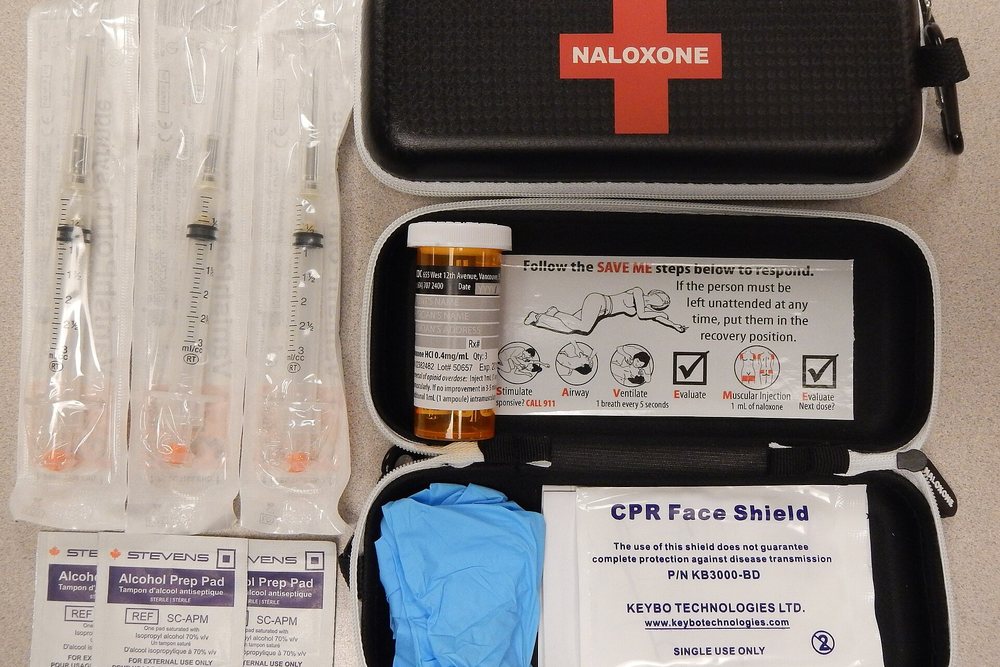
FORT ST. JOHN, B.C. - Northern Health is still the worst place in British Columbia for toxic drug deaths measured against population, even as the provincial count keeps dropping.
The BC Coroners Service said Tuesday that 133 people died of suspected unregulated drug toxicity across B.C. in September. That brings the total for the first nine months of 2026 to 1,143, or about four a day.
Northern Health's rate so far this year is 43.4 deaths for every 100,000 people, the highest of the five regional health authorities, according to the coroners. The figure has barely moved since the July and August report, when the service put the northern rate at 43 per 100,000.
Northern Health covers Fort St. John, Dawson Creek, Chetwynd, Tumbler Ridge, Fort Nelson and the rest of the Peace, along with the whole northern half of the province.
Ten of September's deaths were in the Northern Health region, CJDC-TV reported from the coroners' figures. The station said the northern monthly count this year has run from a low of five in July to a high of 17 in June.
The raw numbers are still far larger in the south. The Fraser and Vancouver Coastal health authorities have recorded 311 and 298 deaths this year, which together make up 53 per cent of the provincial total.
Province-wide, September was about 19 per cent below the same month in 2025, The Canadian Press reported, and the nine-month total is 40 per cent under the same stretch of 2023, when the crisis peaked. The coroners counted 113 deaths in July, tied with May for the lowest monthly figure in B.C. since 2019, according to the news agency.
The coroners' breakdown for 2026 shows 70 per cent of those who died were between 30 and 59, and 76 per cent were men. Seventy-eight per cent died indoors, in homes, supportive housing, shelters or hotels, and 20 per cent died outside, in vehicles, parks or on the street. Smoking was the most common way the drugs were taken, in 67 per cent of deaths where that could be determined.
Fluorofentanyl turned up in 68 per cent of the deaths that went through fast-track toxicology testing. Cocaine was found in 55 per cent, methamphetamine in 53 per cent and fentanyl in 50 per cent.
The service cautions that all of the numbers are preliminary and can shift as toxicology results come back and investigations close.
The figures land as the B.C. Conservatives, who took 64 seats in the Oct. 24 election, get ready to form government. The Peace is represented by Conservative MLAs Curtis Whitford in Peace River North and Larry Neufeld in Peace River South.
Sources: BC Coroners Service news release, "BC Coroners Service investigating 133 deaths from drug toxicity in September" (Nov. 10, 2026), and its July and August release (2026). CJDC-TV, "Northern Health region continues to post province's highest toxic drug death rate" (Nov. 10, 2026). The Canadian Press via Energeticcity.ca, "B.C. drug deaths continue to decline in September, down 19 per cent from 2025" (Nov. 10, 2026). Elections BC final results via The NEBC Current elections file..
You may like
 December is one of the most dangerous months on B.C. roads, and safety groups are urging drivers to slow down and plan ahead
 Company behind a 30-turbine wind farm south of Fort St. John asks the regional district to rezone farmland, and directors push back
 Former premier David Eby skips the NDP swearing-in as his shrunken caucus takes its seats in Opposition
 Public service union asks the province to pause its plan to bring most government workers back to the office