
Local
Canadian Natural plans five years of weed spraying on its Peace and Northern Rockies sites, and the public has 30 days to weigh in
The plan runs May 2027 to May 2032 and covers gas plants, rights-of-way and other company sites across two regional districts.
By The NEBC Current newsroom
FORT ST. JOHN, B.C. - Canadian Natural Resources wants to use herbicides on its gas plants, compressor sites and pipeline rights-of-way across the Peace and the Northern Rockies from 2027 to 2032, and anyone who lives or farms near those sites has about a month to have a say.
The company published a notice Thursday, Nov. 12, saying it is drawing up an integrated pest management plan under B.C.'s Integrated Pest Management Act. The plan, reference CNRL-006-27-32, would take effect in May 2027 and run to May 2032. It covers company facilities, rights-of-way and related infrastructure in the Peace River Regional District and the Northern Rockies Regional Municipality. The notice names Fort St. John, Dawson Creek, Taylor, Fort Nelson and Buick, and the draft plan also lists Hudson's Hope and Wonowon.
Canadian Natural says the goal is to keep brush and invasive weeds in check on ground it has to keep clear for safety and regulatory reasons. Chemicals are only one tool. The plan also allows mowing, hand pulling, prevention and other non-chemical work, alone or in combination depending on the site. Where herbicide is used, crews would apply it from an ATV or truck sprayer or by backpack.
The notice lists 19 products that may be used, among them Tordon 22K, Garlon XRT, Milestone, Arsenal Powerline, 2,4-D and MCPA. Active ingredients include glyphosate, picloram, triclopyr, aminopyralid and dicamba.
For farm families and acreage owners near a company line, the setbacks are the key detail. Provincial regulation requires a 30-metre no-treatment zone around any well or water intake used for household or farm purposes, livestock water and irrigation included, though it allows a smaller buffer in some cases. The draft plan also sets a 10-metre pesticide-free strip along lakes, streams, dry creek beds and classified wetlands.
People with information about a proposed treatment site have 30 days from publication of the notice to send it to the company or to its consultant, E-Qwest Consulting. The draft plan is posted on E-Qwest's website, and the notice says maps are available on request. The company contact is its environmental coordinator at the Fort St. John office on Airport Road.
Under the province's rules, a company must run two of these notices within a two-week span, at least 45 days before it files to begin spraying. It must also make reasonable efforts to reach people who could be significantly affected.
Canadian Natural is not the only producer renewing its plan. E-Qwest has also posted a 2027 to 2032 draft for Tourmaline Oil that covers the same two regional districts.
Sources: Canadian Natural Resources Limited, public notice "Development of a Pest Management Plan," reference CNRL-006-27-32 (published Nov. 12, 2026). Canadian Natural Resources Limited, draft "Integrated Pest Management Plan, Vegetation Management in British Columbia 2027-2032," posted by E-Qwest Consulting. Tourmaline Oil Corp. draft Integrated Pest Management Plan 2027-2032, posted by E-Qwest Consulting. B.C. Integrated Pest Management Regulation, B.C. Reg. 604/2004, sections 61 and 71..
You may like
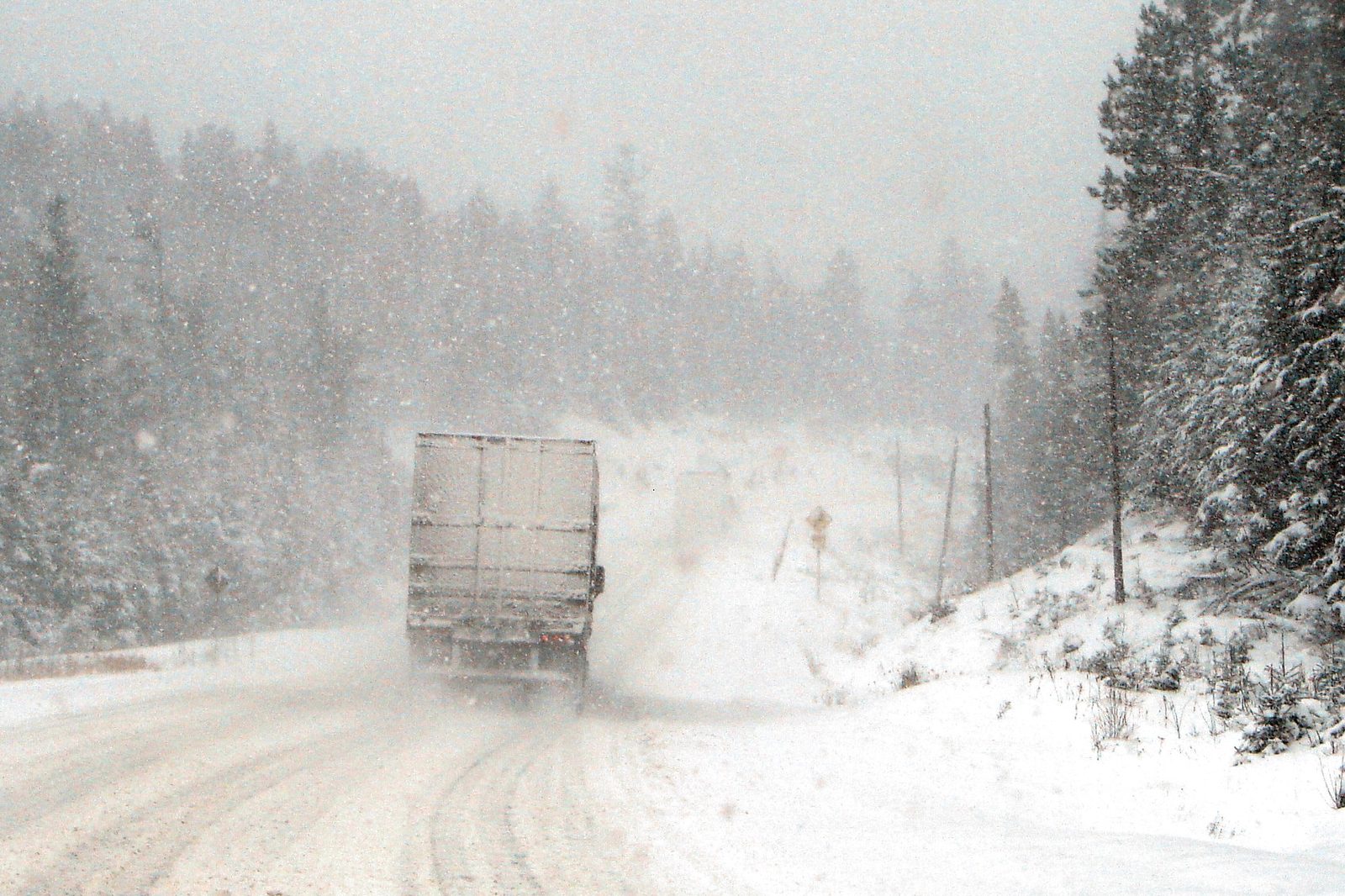 December is one of the most dangerous months on B.C. roads, and safety groups are urging drivers to slow down and plan ahead
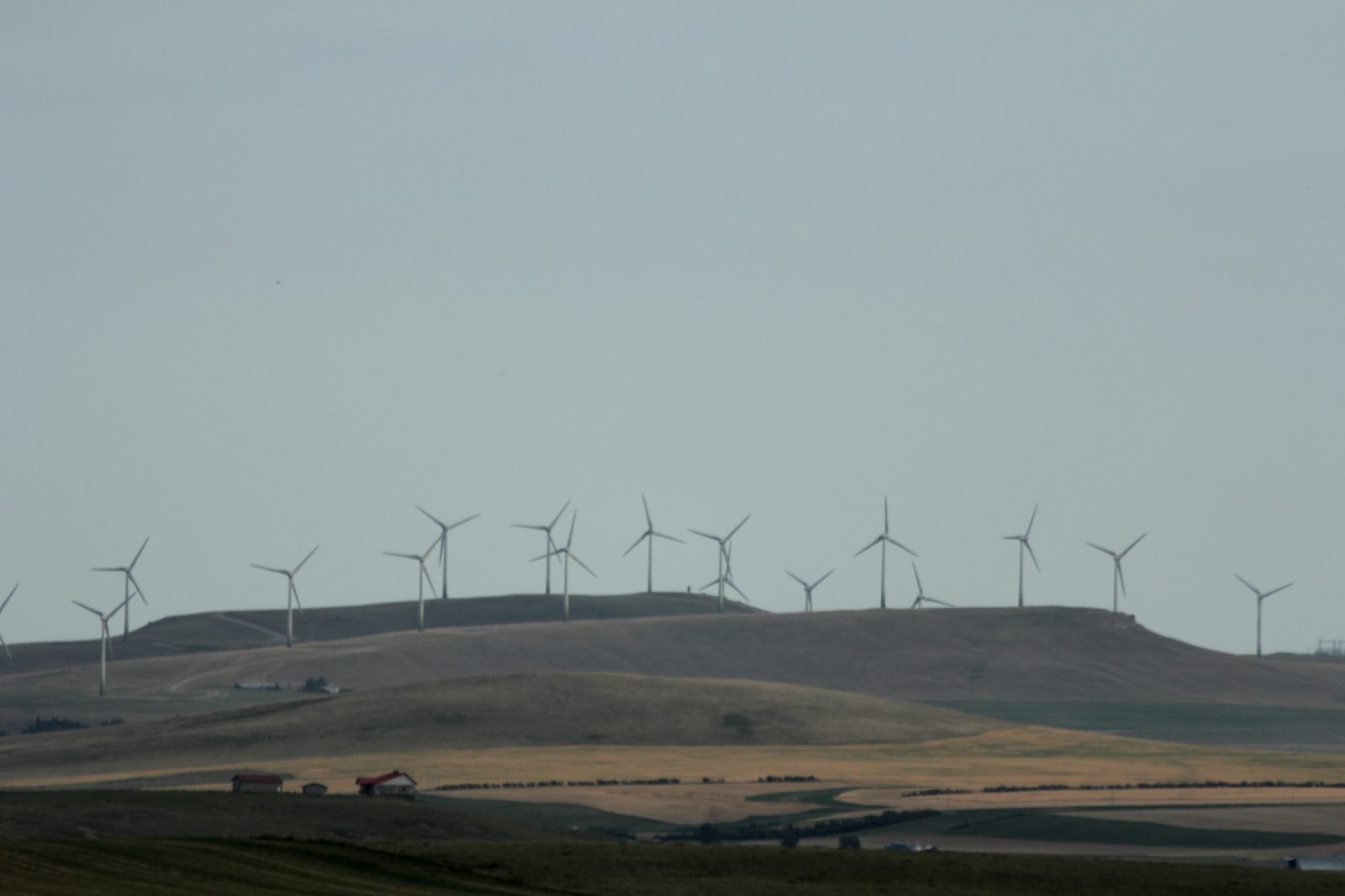 Company behind a 30-turbine wind farm south of Fort St. John asks the regional district to rezone farmland, and directors push back
 Former premier David Eby skips the NDP swearing-in as his shrunken caucus takes its seats in Opposition
 Twelve more First Nations buy into Coastal GasLink, the pipeline that starts near Dawson Creek
 School District 60 cancels buses as freezing rain glazes Peace roads, but schools stay open