
Local
BC Hydro warns drought and wildfire damage could make Northeast storm outages worse
Utility says trees weakened by a dry summer may not fail until the first big wind, and rural Peace customers wait longest when they do.
By The NEBC Current newsroom
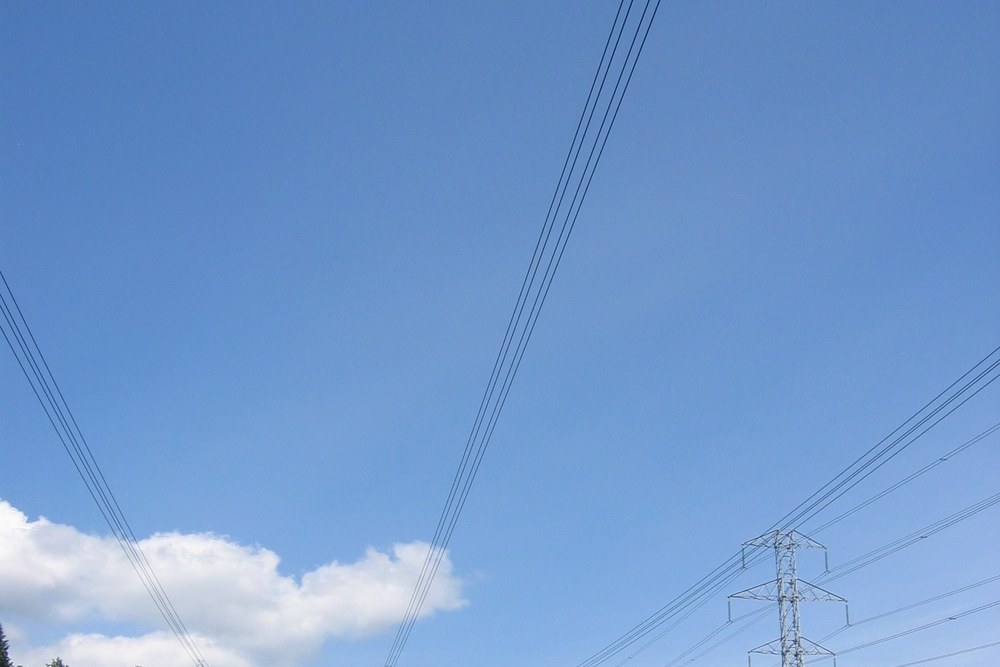
FORT ST. JOHN, B.C. - BC Hydro says the effects of this year's drought and wildfire season could show up in Northeast B.C. power outages once the first major windstorm hits, and it is urging Peace region households to be ready before it does.
The warning came Thursday in a new BC Hydro report titled "The new reality: Emergency season is year-round," released as strong winds and stormy weather moved into the northeast, according to CJDC-TV. Trees and vegetation remain the leading cause of storm outages across the province, the utility said, and drought can weaken trees and root systems while fire can leave damaged trees standing and vulnerable.
"This is an issue we're watching closely across the province, including Northeast B.C.," BC Hydro community relations manager Bob Gammer told CJDC-TV. BC Hydro spokesperson Whitney Deane said in the company's release that "there isn't always a clean break between wildfire season and storm season anymore." Gammer also told the Prince George Citizen that storm season had already started and crews were ready for wind damage.
The northeast went into the summer with above-average drought, according to the BC Wildfire Service's fall outlook, which also lists the northeast among regions where drought conditions remain above average. BC Hydro said 22 wildfires were still burning across the province and that forecasters are watching for the possible development of a strong El Niño, which could keep the weather volatile through the winter.
For Peace region residents the practical point is the length of an outage. Gammer said BC Hydro can usually restore power to most customers quickly in a major storm, but rural residents can face much longer waits. Once about 90 per cent of affected customers are back on within 24 hours, he said, crews are often left working through isolated outages that serve only a handful of homes. In large, sparsely populated areas like the northeast, that can mean a long drive between jobs.
BC Hydro said it has tripled its annual vegetation management spending over the past six years to about $150 million, and that it has expanded its use of weather forecasting and outage prediction tools. During the 2026 wildfire season its crews replaced 1,265 power poles and 110 transformers across the province.
The utility's advice is the usual and worth repeating on a farm, an oil lease or an acreage where help is not around the corner. Keep a 72-hour emergency kit with water, food, medication, flashlights, batteries and first aid supplies. Make a household plan. Know where to find outage information at bchydro.com/outages or through the company's mobile app. Stay at least 10 metres away from downed or low-hanging lines and call 911 to report them.
Sources: BC Hydro news release Nov. 5, 2026 (Sher E Punjab full text), Prince George Citizen Nov. 5, 2026 (Bob Gammer), CJDC-TV Nov. 5, 2026, BC Wildfire Service Fall 2026 Seasonal Outlook.
You may like
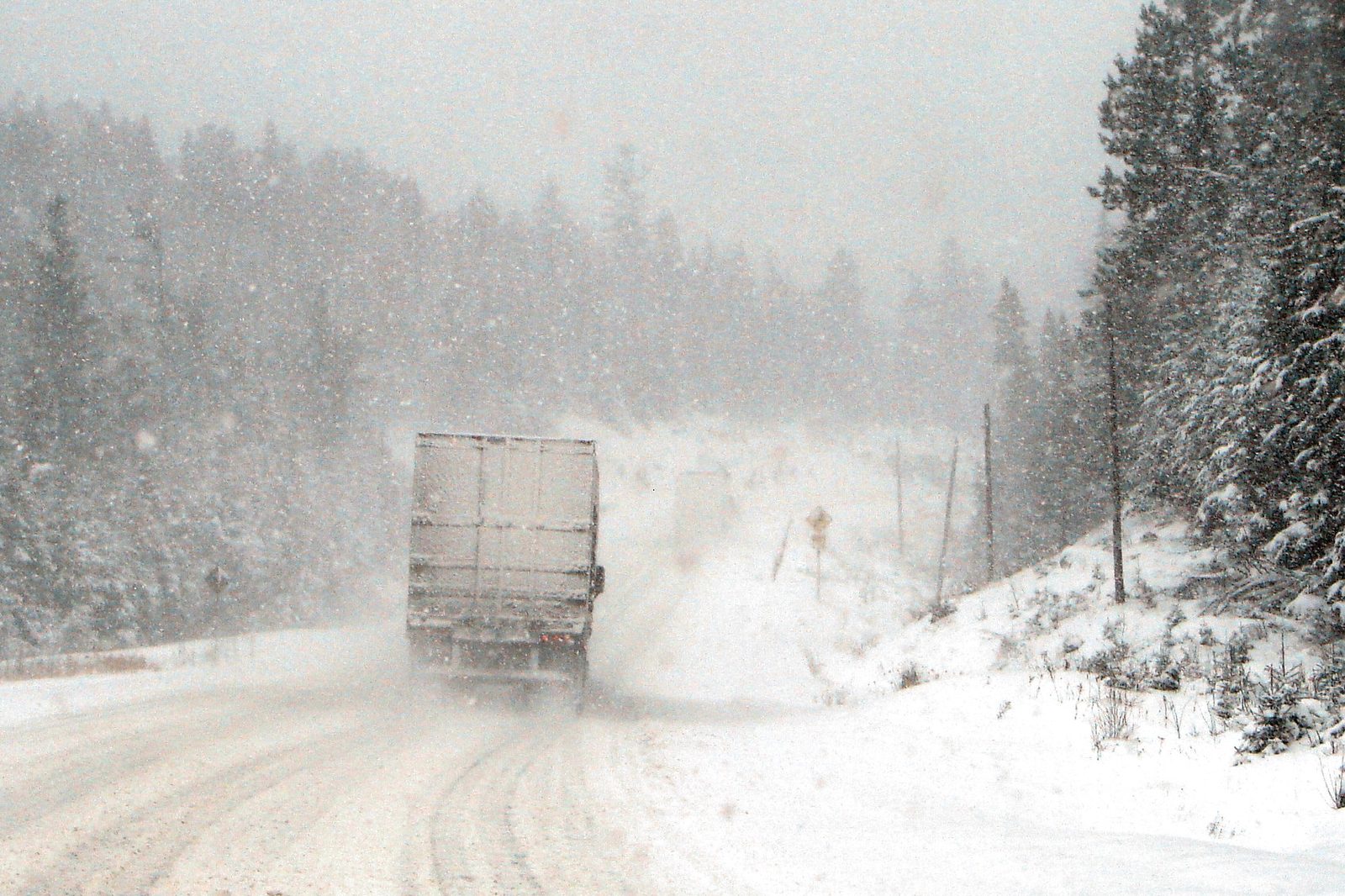 December is one of the most dangerous months on B.C. roads, and safety groups are urging drivers to slow down and plan ahead
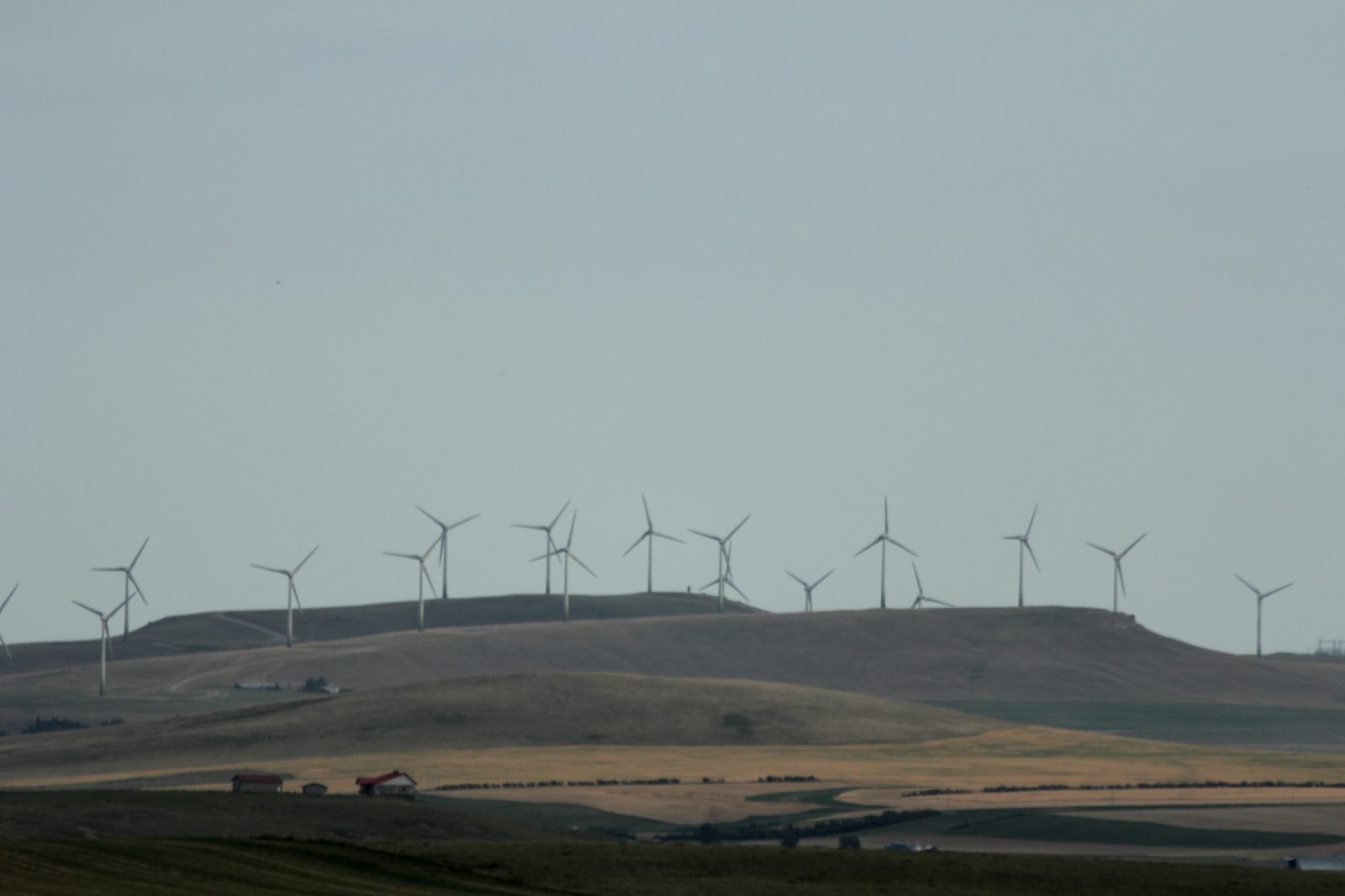 Company behind a 30-turbine wind farm south of Fort St. John asks the regional district to rezone farmland, and directors push back
 Former premier David Eby skips the NDP swearing-in as his shrunken caucus takes its seats in Opposition
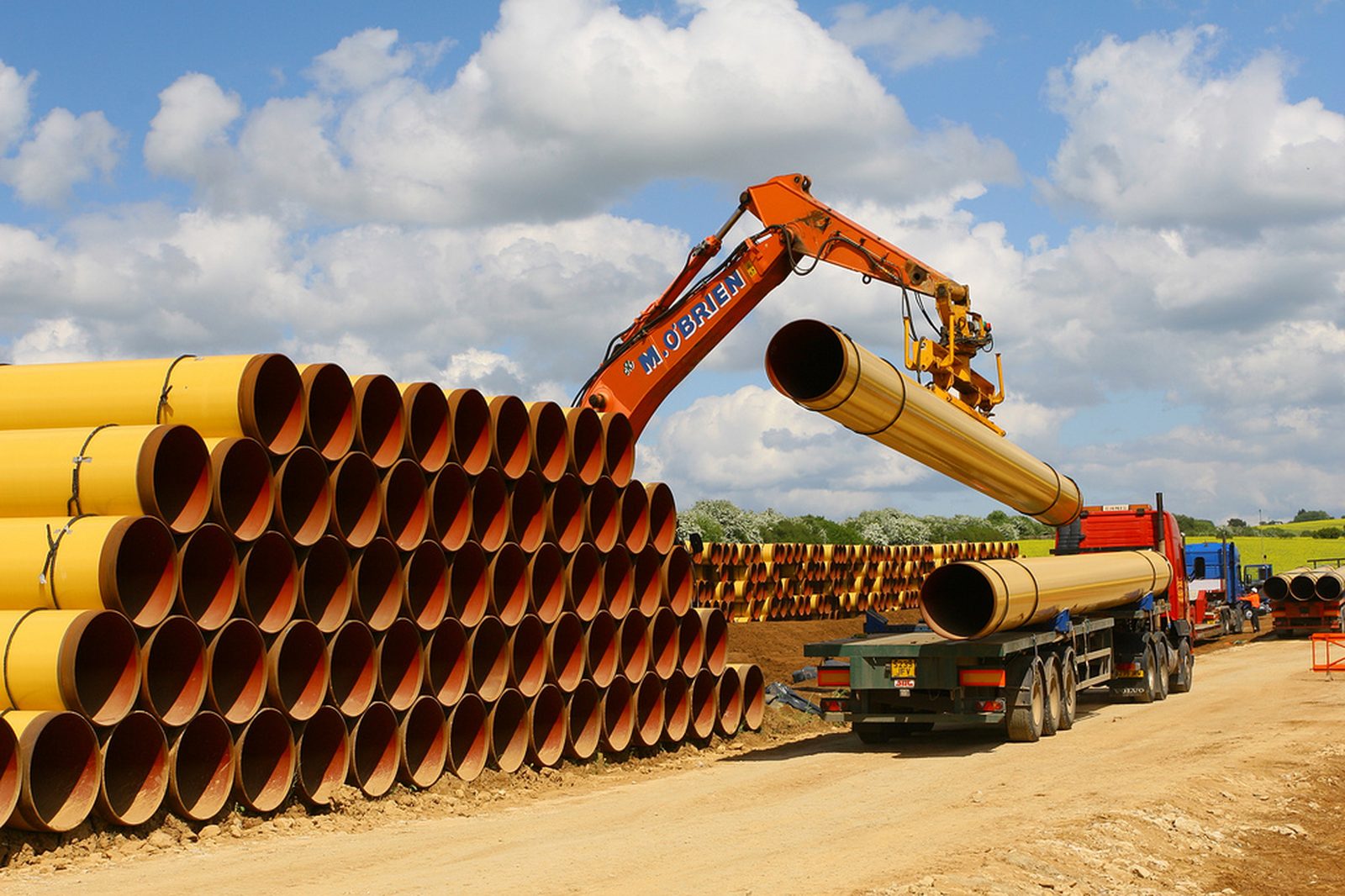 Twelve more First Nations buy into Coastal GasLink, the pipeline that starts near Dawson Creek
 School District 60 cancels buses as freezing rain glazes Peace roads, but schools stay open