
Local
B.C. gas producers have cut methane by about half since 2014, and an environmental think tank says the payoff tops a billion dollars
The Pembina Institute's figures back the industry's record. It also says that record is no reason to build more LNG.
By The NEBC Current newsroom
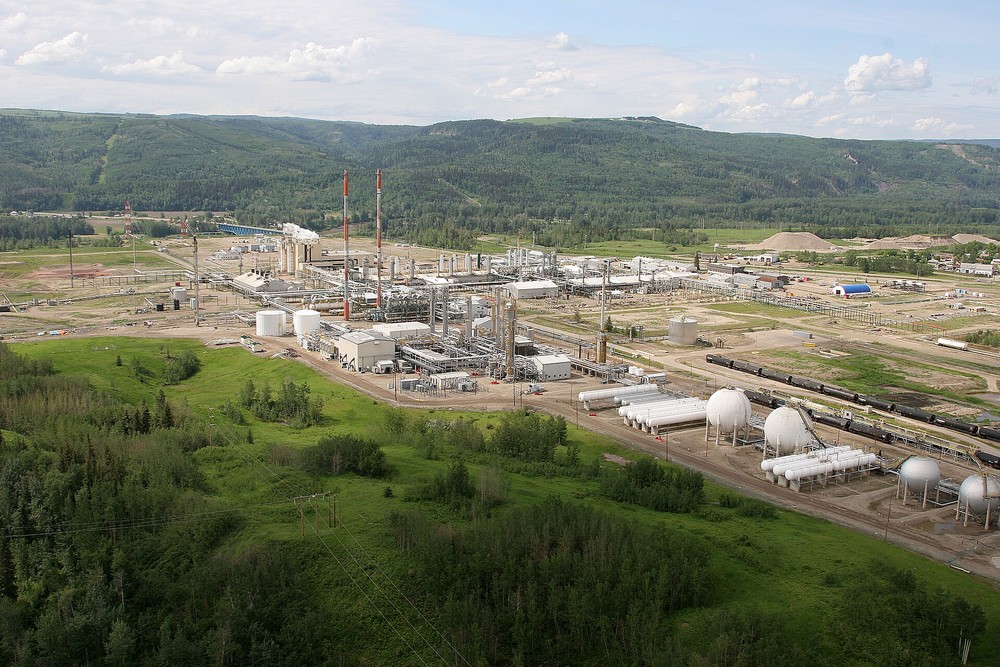
FORT ST. JOHN, B.C. - B.C.'s oil and gas companies, most of them working in the northeast, have cut their methane emissions roughly in half since 2014 while producing more gas. A new report from the Pembina Institute says that record is already worth more than a billion dollars.
The clean energy think tank released "Staying the Course" on Tuesday, Nov. 10. Written by Amanda Bryant, who manages Pembina's oil and gas program, it says the sector's methane emissions in 2023 were 52 per cent below 2014 levels. That beat the province's 2025 goal of a 45 per cent cut two years early. The BC Energy Regulator, citing Canada's 2025 National Inventory Report, puts the drop at 51 per cent.
Methane is the main ingredient in natural gas, so a leak is lost product as well as a greenhouse gas. The regulator's rules target the biggest sources, including pneumatic devices, equipment leaks, compressor seals and storage tanks, and were tightened on Jan. 1, 2024 and again on Jan. 1, 2025. Research by Carleton University, the regulator says, puts the methane intensity of B.C. gas production at about 0.2 per cent.
Pembina estimates that keeping on track to the next targets, a 75 per cent cut by 2030 and near elimination of industrial methane by 2035, would bring about $1.1 billion in net benefits between 2018 and 2035. That counts compliance costs, the value of gas that is captured and sold instead of lost, and avoided climate damage. Its estimate includes roughly $26 million in extra royalties for the province, within a range of $16 million to $36 million depending on prices.
The report says low-methane gas gives B.C. an edge with buyers in South Korea, Japan and the European Union, which are paying closer attention to the emissions behind their imports. That is the market Montney gas from under the Peace is now reaching through LNG Canada. Pembina also urged Alberta and Saskatchewan to follow B.C.'s lead.
"B.C.'s strong regulatory approach to oil and gas methane emissions, backed by measurement studies, has allowed the province to decouple methane emissions from natural gas production growth," Bryant said.
Pembina does not take the next step that industry would. The report says B.C.'s low-emission gas should not be read as a reason for more LNG, pointing to lifecycle emissions, project costs and competition from cheaper suppliers.
The regulator notes that B.C.'s rules were judged equivalent to Ottawa's, so the federal methane regulations stand down in this province and the made-in-B.C. system applies.
Sources: Pembina Institute, "B.C.'s methane leadership is a billion-dollar asset for industry, workers, and taxpayers" (media release, Nov. 10, 2026) and "Staying the Course - The benefits of B.C. delivering on its methane reduction commitments" (report page, Nov. 10, 2026). BC Energy Regulator, "Methane Emissions." CJDC-TV, "LNG Canada to double output from B.C. terminal that could boost demand for Peace Region natural gas" (Sept. 29, 2026)..
You may like
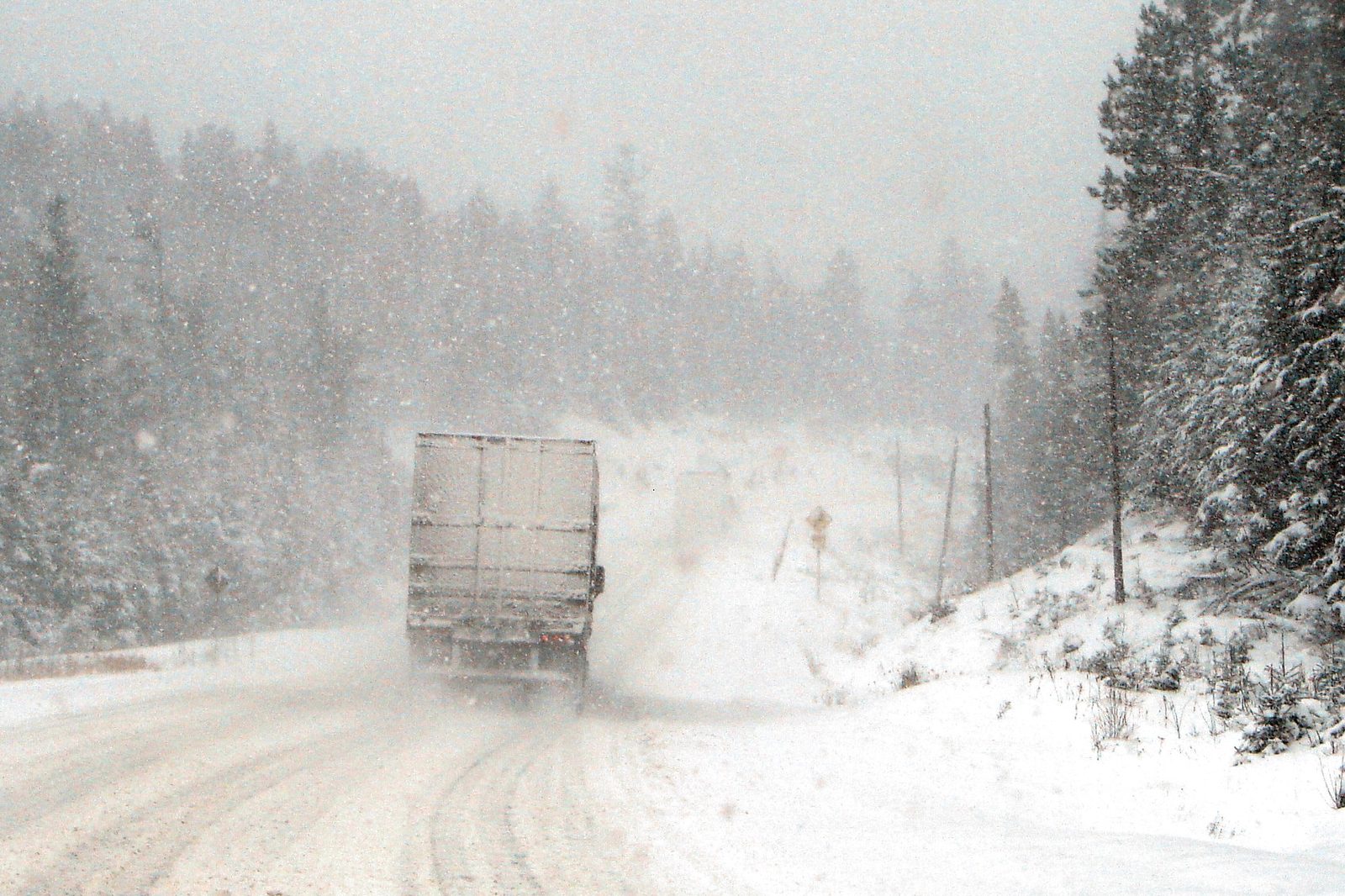 December is one of the most dangerous months on B.C. roads, and safety groups are urging drivers to slow down and plan ahead
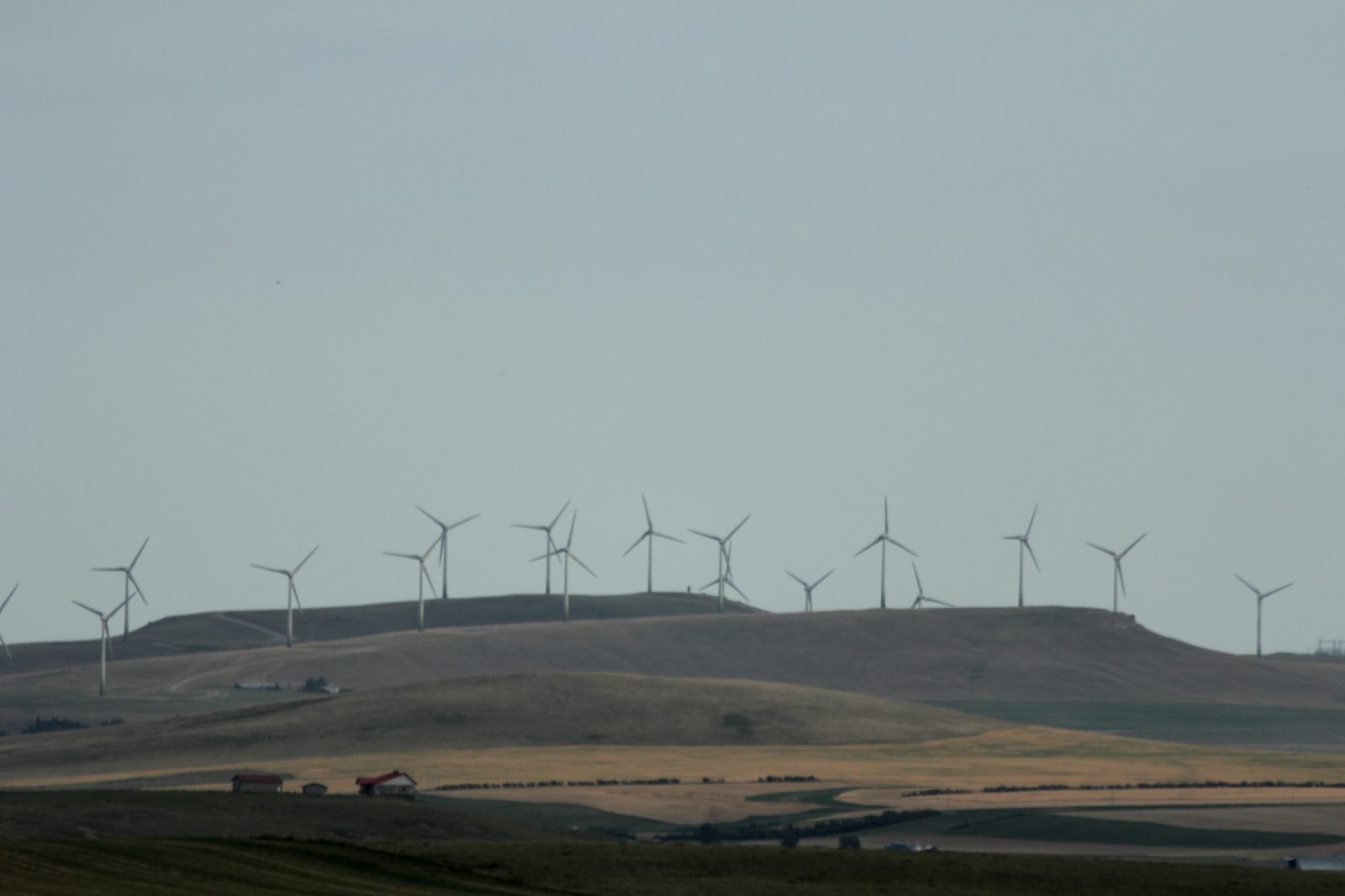 Company behind a 30-turbine wind farm south of Fort St. John asks the regional district to rezone farmland, and directors push back
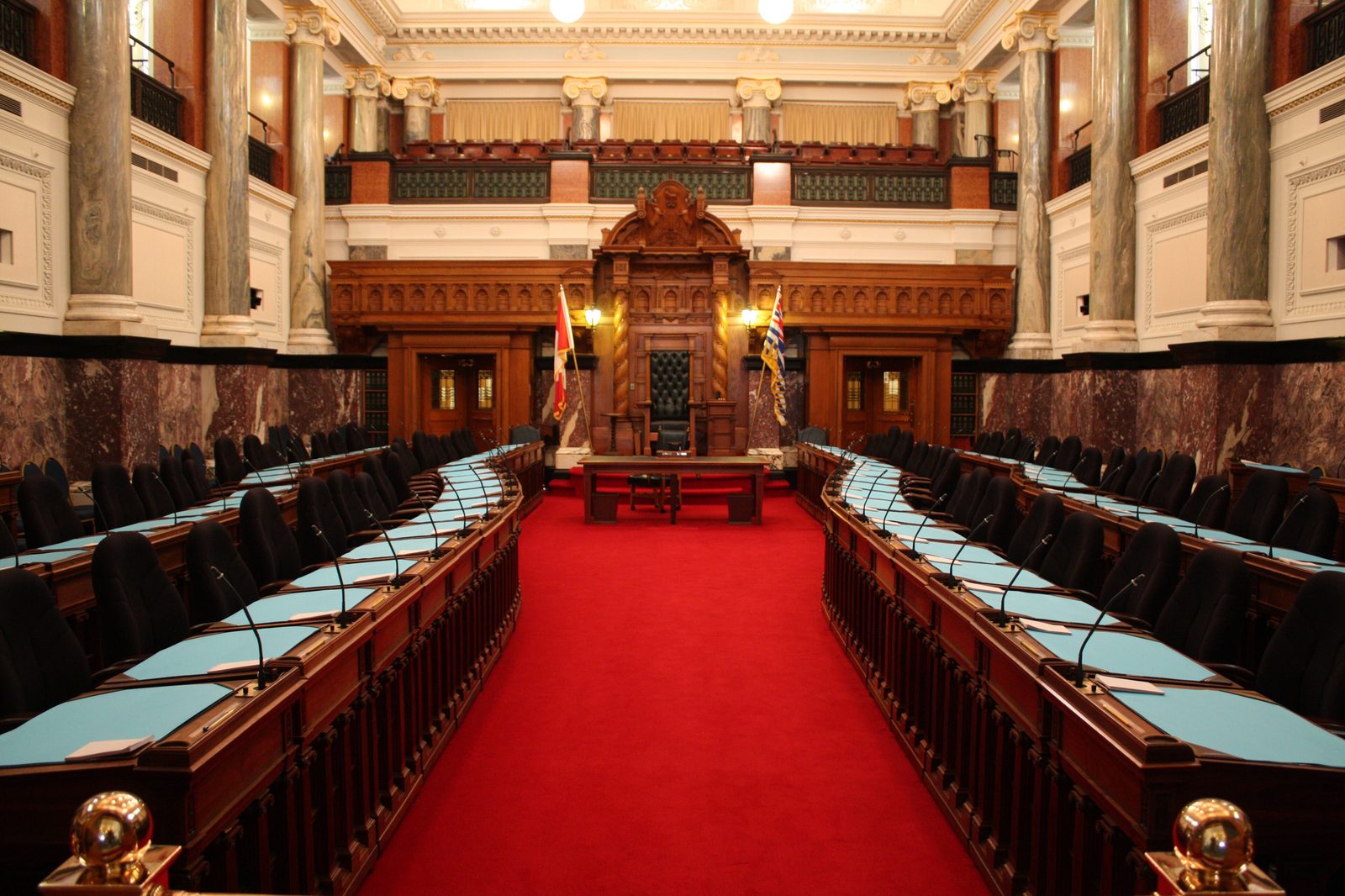 Former premier David Eby skips the NDP swearing-in as his shrunken caucus takes its seats in Opposition
 Twelve more First Nations buy into Coastal GasLink, the pipeline that starts near Dawson Creek
 School District 60 cancels buses as freezing rain glazes Peace roads, but schools stay open